The Anatomy of a Dangerous Tree
Trees contribute shade, character, privacy, and natural beauty to residential and commercial properties, but they can also become serious hazards when their condition begins to decline. A tree that looks stable from a distance may have structural weaknesses in its trunk, roots, or branches that are difficult for an untrained observer to recognize. Weather, disease, decay, soil conditions, and previous damage can all affect how safely a tree can support its own weight.
Understanding the anatomy of a potentially dangerous tree can help property owners recognize when professional attention may be necessary. A qualified tree company can evaluate visible warning signs while also considering factors that may not be obvious from ground level. Instead of judging a tree solely by the amount of green foliage it produces, an assessment considers its overall structure, location, stability, and surrounding environment.
Identifying the Warning Signs in the Trunk
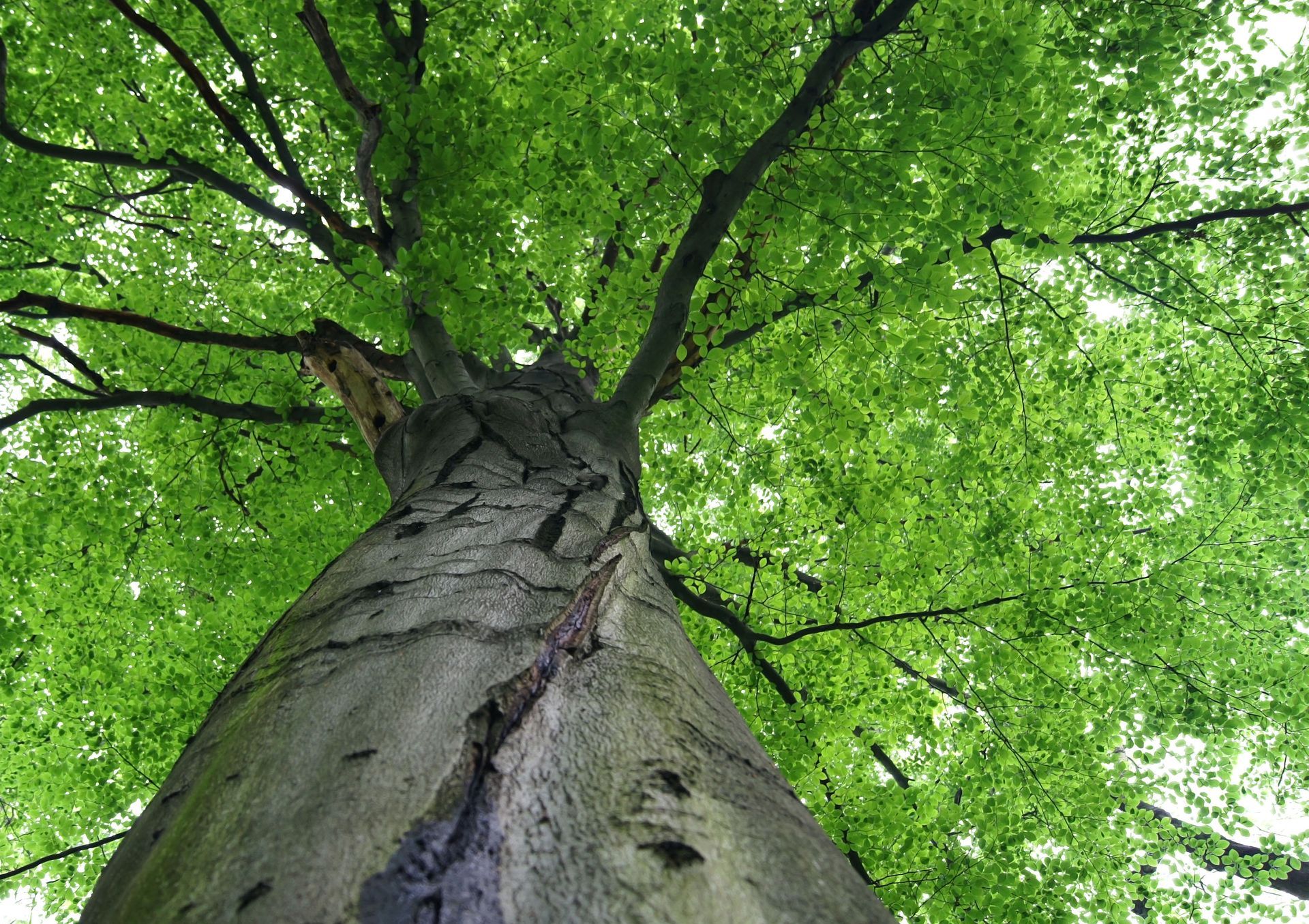
The trunk is responsible for supporting the crown and transferring tremendous loads toward the root system. Because of this role, significant trunk defects can affect the stability of the entire tree. Large cracks, cavities, missing bark, unusual openings, and areas of visible decay may indicate that the trunk has been weakened.
A hollow section does not automatically mean that a tree will fail, but the location and extent of the damage matter. Trees can sometimes continue growing around injured areas, creating new tissue while older wood deteriorates internally. This can make the exterior appear relatively normal even when structural strength has been reduced. A tree company can examine these areas in the context of the tree’s species, size, condition, and surroundings.
Evaluating the Warning Signs in the Branches
Dead and damaged branches are among the most recognizable signs of a potentially hazardous tree. A branch without healthy foliage during the normal growing season may no longer be receiving the resources necessary to remain viable. Dead wood can become brittle over time and may eventually break away from the canopy.
Broken branches that remain lodged in the crown can present another concern. These hanging limbs may be difficult to see from below, especially when surrounded by dense foliage. Their eventual movement can be unpredictable, making professional evaluation particularly important when trees grow near homes, driveways, sidewalks, recreational spaces, or other frequently occupied areas.
Branch structure matters as well. Crowded, rubbing, cracked, or poorly attached limbs may experience increased stress as the canopy moves. A tree company can evaluate whether individual branch defects are isolated concerns or indications of a broader structural problem.
Examining the Warning Signs Around the Roots
Roots provide both physical stability and access to water and nutrients. Unfortunately, many significant root problems occur below the soil, where they are not immediately visible. Surface clues can sometimes indicate that something is changing underground.
Soil lifting around the base, exposed roots, construction disturbance, unusual fungal growth, or declining sections of the canopy may warrant closer examination. Damage caused by excavation, soil compaction, landscaping changes, or nearby construction can interfere with the root system even when the trunk itself appears healthy.
Root decay can be particularly concerning because a tree may continue standing while losing some of the underground support that anchors it. Changes in soil conditions may also affect stability. A tree company can consider the relationship between root health, surrounding soil, drainage, and the tree’s visible condition when determining whether a potential hazard exists.
Assessing the Warning Signs From a Developing Lean
Not every leaning tree is dangerous. Some trees naturally grow at an angle as they adapt to sunlight, surrounding vegetation, or environmental conditions. However, a lean that develops unexpectedly or becomes more pronounced can indicate a stability problem. Changes around the roots or soil may accompany this movement.
The degree of leaning can also matter. Even a tree that otherwise appears healthy may present a concern when the angle becomes substantial. In fact, according to Forbes, even healthy trees leaning more than 15% away from vertical plumb should be removed because the condition can create a safety concern. This illustrates why visible foliage alone cannot determine whether a tree is structurally secure.
The direction of the lean should also be considered in relation to the surrounding property. A leaning tree positioned over a structure, parking area, walkway, or frequently used outdoor space may require careful professional attention. A tree company can evaluate the lean together with root conditions, trunk structure, canopy weight, and other relevant factors rather than relying on one characteristic alone.
Recognizing the Warning Signs From Disease and Decay
Disease and decay can gradually weaken different parts of a tree. Common visible changes may include abnormal leaf loss, discolored foliage, unusual growths, damaged bark, dead branches, or fungal activity. These symptoms can have many possible causes, so their presence does not necessarily reveal the severity of the underlying problem.
Decay is especially important because it affects wood strength. When fungi break down structural wood, the affected area may become less capable of handling normal forces from gravity, wind, and canopy movement. Some decay is clearly visible, while other deterioration develops inside the trunk or major branches.
Multiple symptoms occurring together may provide more information than a single isolated sign. For example, canopy decline combined with fungal growth near the base could raise different concerns than minor leaf discoloration alone. A tree company can assess the complete pattern of symptoms and determine how they relate to the tree’s structural condition.
Considering the Warning Signs After Severe Weather
Storms can expose weaknesses that were previously difficult to detect. Strong winds, saturated soil, and heavy precipitation can place additional stress on trunks, branches, and root systems. Even when a tree remains standing after severe weather, it may have experienced damage that changes its future stability.
Fresh cracks, hanging limbs, newly exposed roots, sudden leaning, or changes in the soil around the base can indicate that the tree was affected. Large branches may also twist or partially separate without falling immediately, leaving damaged wood suspended in the canopy.
Post-storm evaluation is particularly important when a tree is located close to areas where people spend time. A tree company can identify whether storm damage appears limited to individual branches or whether the event has affected larger structural components. Professional assessment can also help distinguish ordinary storm debris from conditions that require more significant attention.
Understanding the Warning Signs in the Surrounding Environment
A tree’s level of risk depends not only on its physical condition but also on what surrounds it. The same structural defect may have different implications depending on whether the tree stands in an isolated area or directly beside a home, roadway, play area, utility zone, or pedestrian path.
Changes to the surrounding landscape can also influence tree stability. Construction, grading, altered drainage, soil compaction, and removal of nearby vegetation may change the environment in which established roots developed. Trees respond to these changes over time, and stress may not become immediately apparent.
For this reason, hazard assessment requires more than identifying damaged wood. A tree company can consider both the likelihood of a tree or branch failing and the potential consequences if that failure occurs. Looking at the tree as part of its environment creates a more complete picture of the concern.
Addressing the Warning Signs With Professional Evaluation
Dangerous trees can develop problems in the crown, trunk, roots, or surrounding soil, and these issues often interact. A healthy-looking canopy does not guarantee structural stability, just as one visible defect does not automatically mean an entire tree is unsafe. Careful evaluation is necessary to understand the significance of each condition.
Regular observation can help property owners notice changes such as new cracks, declining branches, unusual leaning, root disturbance, or storm damage. When those changes raise concerns, professional assessment provides a more informed understanding of the tree’s condition and its relationship to nearby people and property.
If you are concerned about the condition of a tree on your property, contact Sunrise Tree. We can assess visible warning signs, examine structural concerns, and help you understand the appropriate options for your property. Our team can provide the professional perspective needed to address potentially hazardous trees with safety in mind.
Share On: