
7 Ways Local Tree Services Can Prevent Future Damage
Understanding how local tree services can proactively prevent damage is crucial for maintaining both urban and rural landscapes. Trees provide numerous benefits, such as enhancing air quality, providing shade, and increasing property value, but they can also pose risks if not properly managed. This article explores various effective strategies adopted by tree services to mitigate future damage, ranging from regular inspections to community involvement. Proactive care ensures the longevity and health of trees, thereby reducing potential hazards. By adopting these strategies, tree service professionals play a pivotal role in preserving the eco-balance and safety of our communities while supporting long-term landscape stability.
1. Regular Tree Inspections
Regular tree inspections are the cornerstone of effective tree management. These assessments allow arborists to identify potential hazards early, thereby preventing future damage. For instance, weakened branches or signs of disease can be spotted and addressed before they evolve into significant issues. An inspection process involves a thorough evaluation of each tree's overall health, structural integrity, and root condition, often employing specialized tools and technology for more refined outcomes. By identifying potential problems, tree services can plan timely interventions to avert risks that might otherwise go unnoticed.
Assessing tree health and stability is crucial to understanding their resilience against environmental stresses. Arborists evaluate various factors, such as leaf condition, bark health, and growth patterns, to glean insights into the tree’s vitality. Additionally, advanced technology like drone imaging and soil sensors help in evaluating tree conditions that are not immediately visible. These technologies enhance the ability to track changes over time, offering a comprehensive view of a tree’s health and stability. Consistent monitoring ensures that trees remain structurally sound and less likely to fail during severe weather events.
Mapping out high-risk areas is another critical component of regular inspections. Certain urban and rural locales have higher concentrations of vulnerable trees due to soil conditions, construction activity, or exposure to strong winds. By creating detailed maps, tree service providers are better equipped to prioritize areas that require immediate attention. Documenting growth patterns and potential risk zones enables efficient allocation of resources and timely intervention, reinforcing the preventive role of local tree services in protecting surrounding properties.
2. Pruning and Trimming Techniques
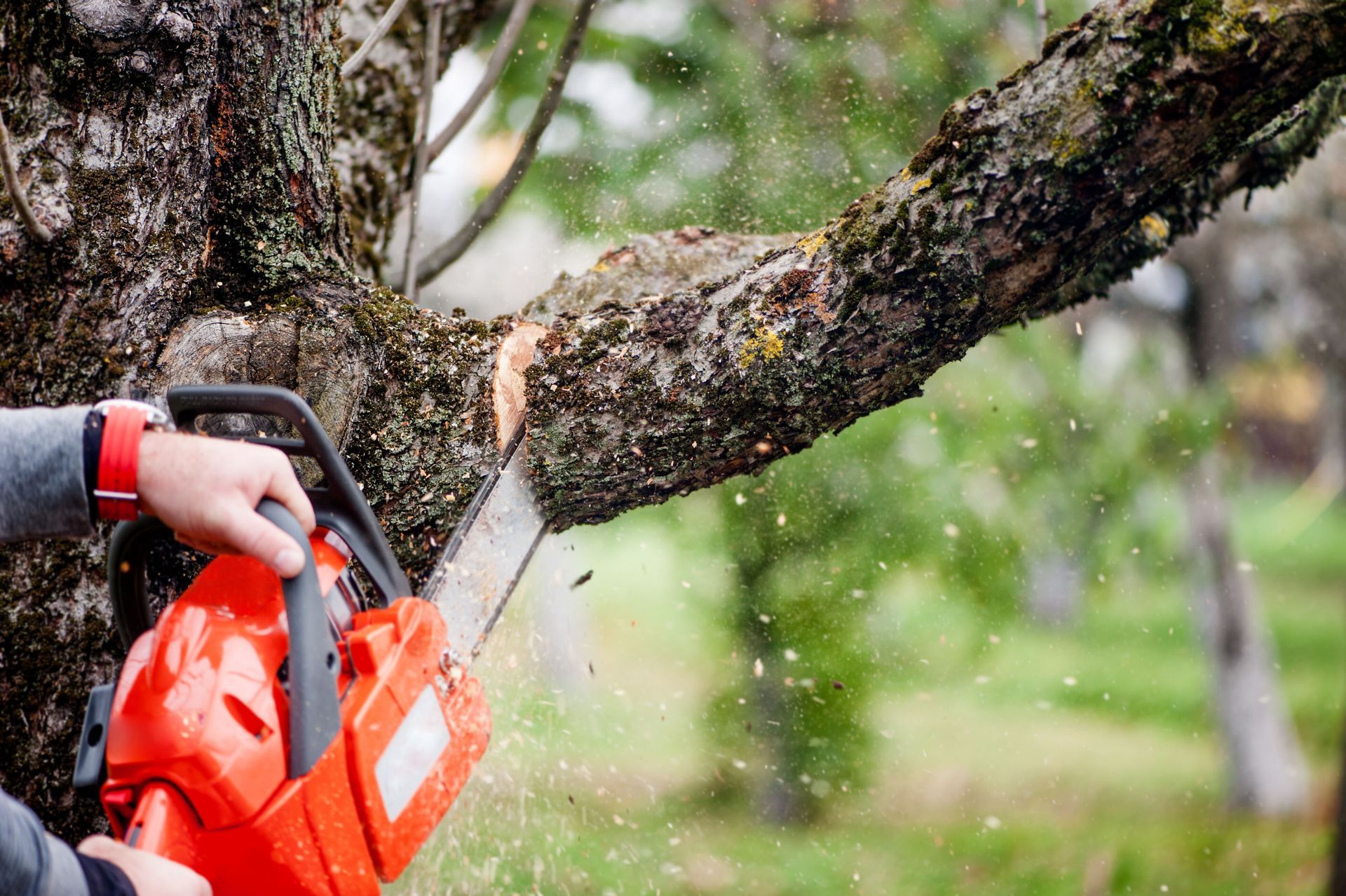
Pruning and trimming are vital techniques that maintain tree health and prevent potential damage. This process involves the careful removal of dead or dying branches that could pose safety hazards. Effective pruning can improve a tree's structure, enhance aesthetics, and promote healthy growth, thereby extending the life of the tree. It is crucial to employ proper pruning methods to avoid inadvertently stressing the tree, which could lead to long-term damage.
Improving tree structure through trimming ensures that branches grow in a balanced manner. This balance helps distribute weight evenly, preventing the tree from becoming top-heavy and more susceptible to tipping over during strong winds. Pruning also encourages strong branch unions and reduces the risk of splitting. Through targeted techniques, local tree services help trees develop sturdier frameworks that are better suited to withstand environmental pressures.
Timing is critical for pruning activities, as conducting these practices at optimal times of year can greatly influence their effectiveness. Seasonal pruning allows trees to heal properly before periods of environmental stress. Proper timing also reduces the likelihood of disease transmission and encourages healthy regrowth, reinforcing pruning as a preventive rather than reactive measure.
3. Soil and Root Management
Soil and root management are integral to maintaining tree vitality and resilience to environmental challenges. Ensuring an adequate nutrient supply involves enriching soil with organic matter through mulching and fertilization. These practices promote healthy root development, which directly supports the structural stability of trees. Arborists also assess soil composition and drainage to ensure conditions are favorable for sustained growth.
Preventing soil compaction is pivotal in promoting healthy root systems. Compacted soil limits oxygen and water absorption, weakening root structures over time. Techniques such as aeration and controlled foot traffic zones help maintain soil integrity. When roots are allowed to expand naturally, trees are better anchored and more resistant to wind-related damage.
Managing root spread is equally important in preventing conflicts with infrastructure. Strategic planning, species selection, and the use of root barriers reduce the likelihood of damage to sidewalks and underground utilities. These proactive measures demonstrate how local tree services balance natural growth with the demands of developed environments.
4. Storm Damage Prevention Strategies
Storm damage prevention focuses on strengthening trees before severe weather occurs. Structural reinforcement techniques, such as cabling and bracing, support weak limbs and improve overall balance. These methods are particularly effective for mature trees that hold significant ecological and aesthetic value.
Maintaining a clean canopy is another essential step in storm preparedness. Removing deadwood and excess debris reduces the risk of falling branches during high winds. According to the National Weather Service, winds of 40 or more miles per hour can cause tree branches to break off, making proactive canopy management a critical safety measure. Strategic landscape planning, including the placement of wind buffers, further minimizes exposure to damaging gusts and helps preserve surrounding structures.
Post-storm assessments allow professionals to identify hidden damage and prevent secondary issues such as decay or pest infestations. This responsive approach strengthens future planning and highlights the ongoing role of local tree services in disaster resilience.
5. Pest and Disease Management
Pest and disease management is essential for sustaining long-term tree health. Early detection through routine monitoring allows arborists to address issues before they spread. Symptoms such as discoloration, unusual leaf drop, or bark abnormalities often signal underlying problems that require prompt attention.
Integrated pest management strategies combine biological controls, targeted treatments, and environmental adjustments to reduce infestation risks. This balanced approach minimizes harm to surrounding ecosystems while preserving tree vitality. Continuous monitoring ensures that treatment plans remain effective over time.
Client education also plays a significant role in prevention. By sharing knowledge about warning signs and proper care practices, tree professionals empower property owners to contribute to healthier landscapes between service visits.
6. Community Education and Involvement
Community education fosters shared responsibility for tree health and public safety. Workshops and outreach programs provide residents with practical guidance on maintenance, hazard recognition, and seasonal care. These efforts strengthen trust and encourage proactive engagement.
7. Long-Term Planning and Preventive Maintenance
Long-term planning plays an important role in reducing unexpected tree-related hazards. Developing maintenance schedules based on tree species, age, and location allows professionals to anticipate future needs rather than reacting to emergencies. Preventive maintenance plans often include growth projections, periodic health evaluations, and adjustments based on environmental changes. By documenting historical data and maintenance outcomes, arborists can refine care strategies over time. This forward-looking approach supports safer landscapes, lowers long-term costs, and promotes healthier trees that adapt more effectively to changing climate and land-use conditions.
Partnerships with local organizations and municipalities expand the reach of educational initiatives. Collaborative projects such as tree planting events and neighborhood assessments create unified standards for care and sustainability. These partnerships reinforce the value of local tree services as community resources.
Volunteer involvement further enhances these efforts by promoting stewardship and long-term commitment. When residents actively participate in tree care initiatives, the collective impact on landscape health and safety becomes more sustainable.
By incorporating these strategies, local tree services help protect property, support environmental health, and enhance community safety. Effective tree management relies on consistent inspections, preventive maintenance, storm preparedness, and public engagement. A proactive approach reduces long-term risks while preserving the many benefits trees provide. Contact Sunrise Tree today to get connected with our tree services.

Share On: